
Latino Auto Market Texas California — Why It Matters
California and Texas are home to 29 million Latino consumers and the two largest vehicle markets in the US. The Latino auto market Texas California opportunity is now.
Why are Texas and California the most important states for Latino automotive marketing?
The US automotive market has two undisputed centers of gravity: California and Texas. They are the two largest vehicle markets in the country by sales volume, by registration numbers, and by aftermarket spending.
They are also the two states with the largest Latino populations in the United States.
This is not a coincidence. It is an opportunity that most brands are still not fully acting on.
How many Latino consumers live in Texas and California?
California is home to 16.1 million Hispanic residents, the largest Latino population of any state. Texas follows with 12.6 million. Together, that's nearly 29 million Latino consumers concentrated in the two markets that move more vehicles than any other state in the country.
In both states, Latinos are now the largest racial or ethnic group. California reached that milestone in 2014. Texas followed in 2021. These are not emerging markets. They are the market.
What makes Latino buyers in these states different from the general automotive consumer?
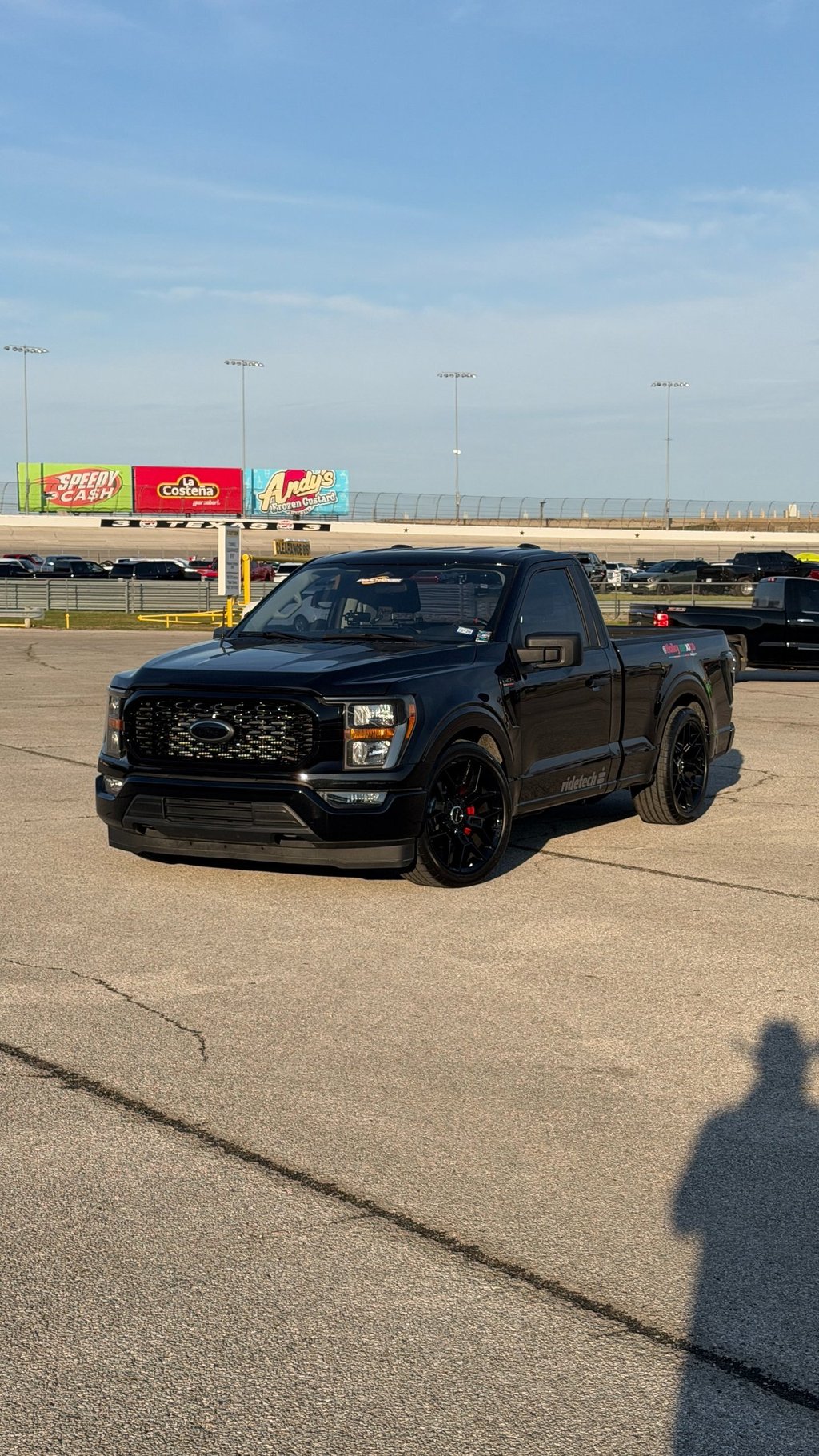
Latino consumers in Texas and California are not casual car buyers. They are enthusiasts. Trucks, builds, aftermarket culture, this community spends disproportionately on vehicles and modifications relative to income. The F-150 is not just a vehicle in Texas, it is a cultural statement. The lowrider scene in California is not a subculture, it is a tradition spanning generations.
This is a buyer who researches obsessively, buys loyally, and influences everyone around him. When he trusts a brand, that trust extends to his family, his coworkers, and his community.
Why are most automotive brands still missing this market?
The typical automotive marketing campaign is built for a general market audience. It performs well in the aggregate and poorly in the specific. Latino consumers in Texas and California can tell immediately when content was not made for them, and they disengage just as quickly.
Reaching this audience requires more than translation. It requires presence, technical credibility, and cultural fluency built over time. That infrastructure does not appear overnight.
How much time do brands have to act?
The brands that establish authentic presence in the Texas and California Latino automotive market now will be extraordinarily difficult to displace. Trust in enthusiast communities is built slowly and lost quickly.
The window is open. It will not stay that way.