
The Loyalty Gap — Latino Car Enthusiasts and the Brands They Buy
Latino car enthusiasts are among the most loyal automotive buyers in the US. Yet most brands still treat them as an afterthought. Here is what that is costing.
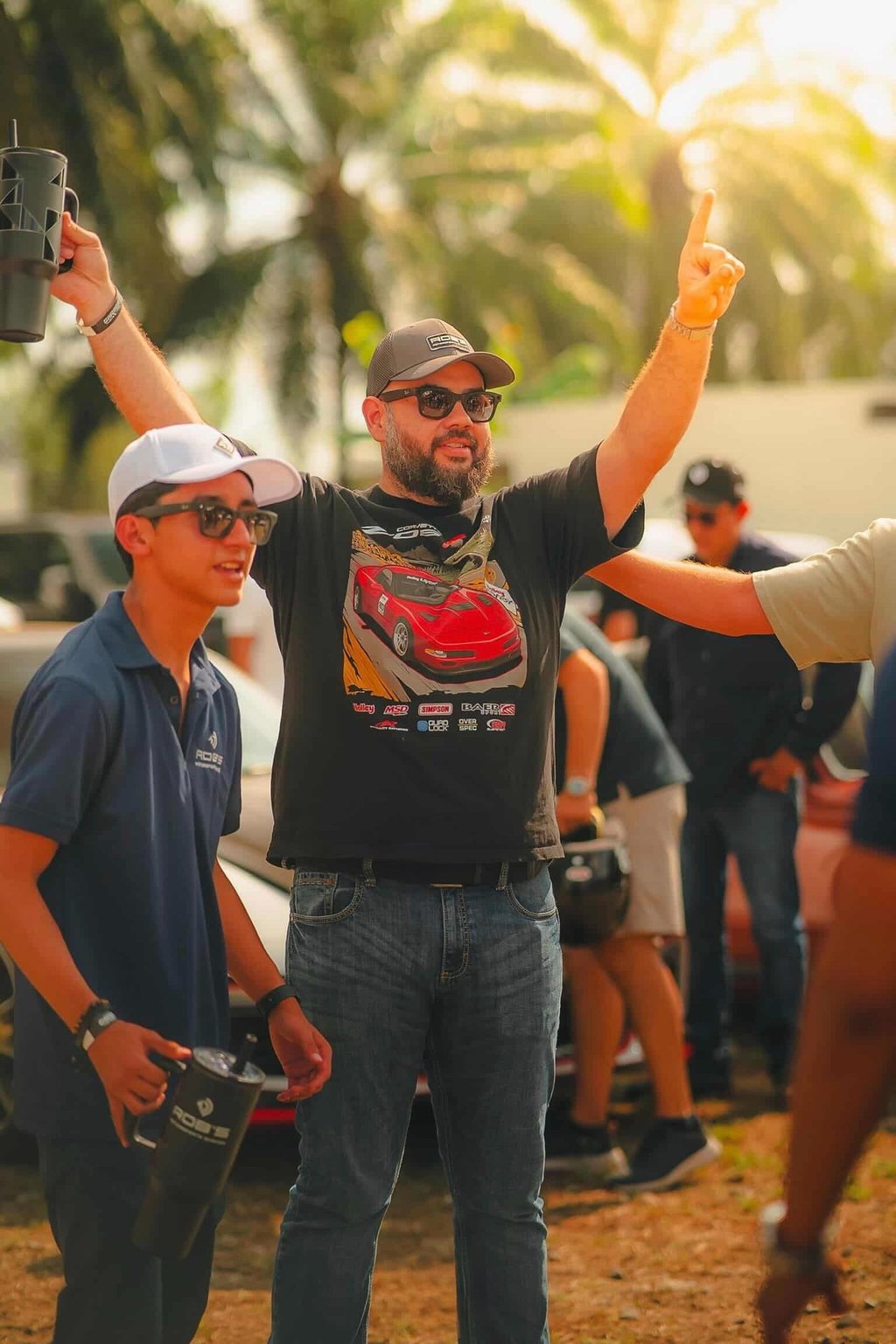
Latino consumers over-index on truck purchases, aftermarket upgrades, and brand loyalty, yet most automotive advertising still doesn't speak to them. Here's what that gap costs, who it affects, and what brands can do about it.
What is the Loyalty Gap in automotive marketing?
The Loyalty Gap is the disconnect between how much Latino consumers invest in automotive brands, financially and culturally, and how little those brands invest back in reaching them authentically.
Latino buyers are among the most purchase-driven segments in the US car market. They buy trucks at above-average rates, spend heavily on aftermarket upgrades, and carry strong brand loyalty across generations. They talk about cars at family gatherings, at work, and on weekends, not as a hobby, but as part of daily life.
And yet, when they scroll through a brand's Instagram or watch a TV commercial, they rarely see themselves.
How large is the Latino automotive market?
The US Latino population currently sits between 63 and 68 million people, roughly 19% of the total US population. Their purchasing power is projected to reach $2.8 trillion by 2026, growing 32% faster than overall US consumer spending in the same period. Latino income growth has outpaced non-Latino households by more than double over the last decade.
Within automotive specifically, the geographic overlap is striking. Texas and California, the two largest vehicle markets in the US, also have the highest concentrations of Latino buyers. These are not fringe markets. They are the market.
On the media side, Hispanic consumers watch more online video than the US average, over eight hours per month, roughly 90 minutes more than typical American viewers. YouTube is their dominant platform, accounting for the majority of Spanish-language digital media consumption.
"Latino car enthusiasts can tell immediately when a brand is speaking at them versus speaking with them. A dubbed commercial or a stock photo of a vaguely ethnic family doesn't build trust. It signals that the brand sees them as a box to check."
Why don't traditional automotive campaigns work with Latino audiences?
The problem isn't awareness, it's authenticity. Dubbed commercials, seasonal one-off campaigns, and generic multicultural messaging signal that the brand views this audience as an afterthought. That signal lands clearly, and it erodes trust.
Trust in any enthusiast community is built through technical credibility, consistent presence, and genuine cultural fluency. You can't buy it with a single campaign. You earn it through sustained engagement: showing up at the right events, working with creators who already have the community's trust, and producing content that respects the depth of knowledge in the room.
What does closing the Loyalty Gap actually look like?
The Latino automotive enthusiast is not a hard-to-reach consumer. He is already watching, already buying, and already loyal to the brands that show up consistently in his world. The question for any automotive brand is simple: are you in that world?
Closing the gap requires treating this audience as a primary market, not a secondary one. That means dedicated media investment on YouTube and Spanish-language digital platforms, partnerships with automotive creators who already hold community trust, and campaigns built in-culture rather than translated after the fact.
Brands that make that shift early won't just capture revenue. They'll build the kind of loyalty that's nearly impossible to buy back once a competitor earns it first.